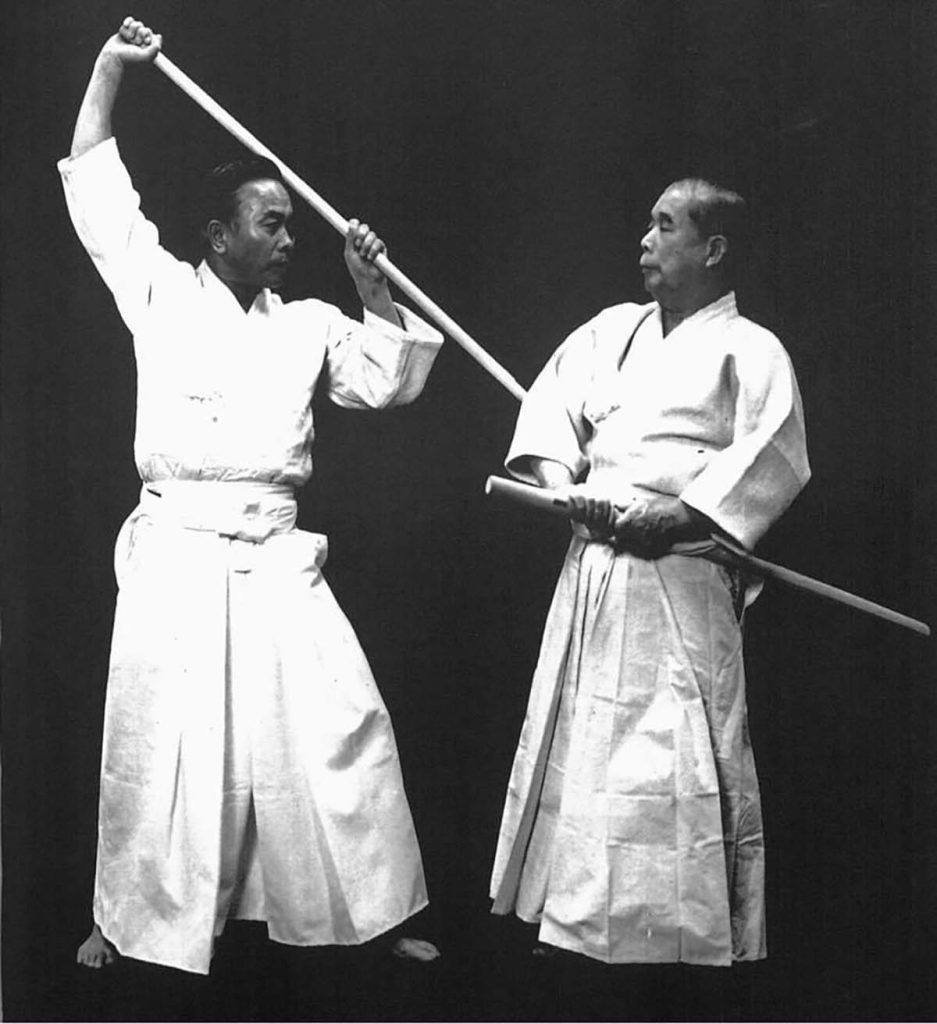
Shindo Muso Ryu Jodo is a 400-year-old classical Japanese martial art (Koryu) centered on using a short staff (jo) to defeat a sword-wielding opponent, emphasizing timing, distance, and focus.
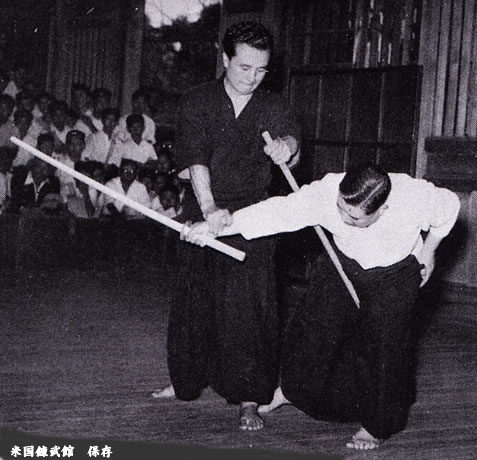
The jo is a 4-foot short staff that is used for thrusting, striking, and sweeping. The Shindo Muso Ryu (SMR) curriculum includes approximately 64 primary jō kata divided into several levels and consists exclusively of paired forms (kata) rather than free sparring which focus on practical control and mental development. The paired kata are practiced with one person (Uchidachi) using a sword and the other (Shidachi) the jo which the goal of developing combative muscle memory and tactical precision that become reflexive in nature.
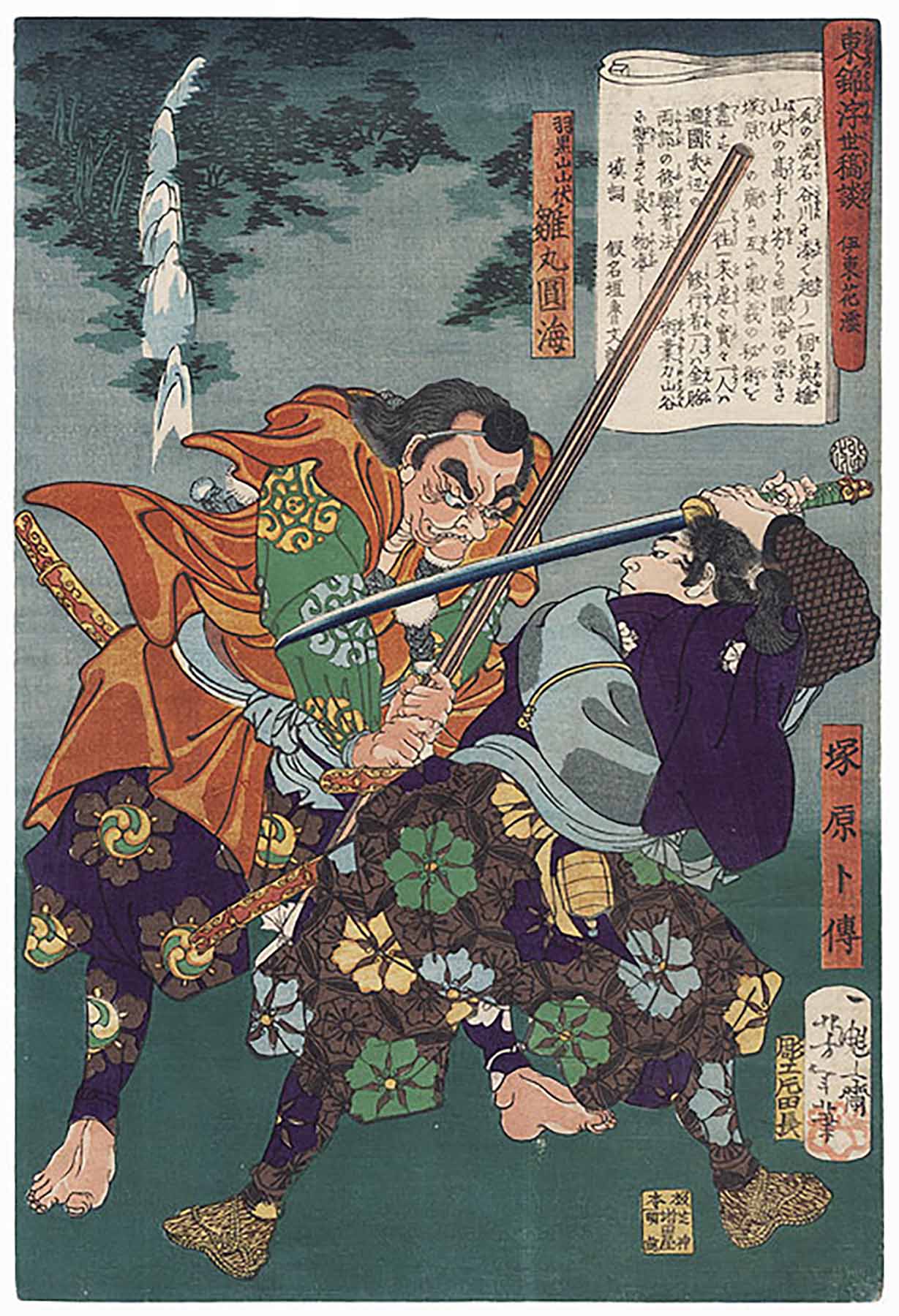
SMR was founded by Muso Gonnosuke, who allegedly defeated the famed swordsman Myamoto Musashi in a one on one duel.
Associated Arts (Fuzoku Ryūha)
Over the centuries, subsidiary or auxiliary martial arts schools have been added to the curriculum and have become integrated into Shindo Muso Ryu. These associated styles (Ryu) do not stand alone. They have their own distinct histories and focus on complementary weapons and skills which enhance the main jo curriculum and a comprehensive training in traditional Japanese martial principles.
Kasumi Shintō-ryū Kenjutsu
Kasumi Shinto Ryu can legitimatly claim to be one of the oldest sword schools of Japan. It is a classical sword curriculum consisting of paired sword kata are taught to senior students. However, sword manipulation forms is a core component of SMR training in general.
Uchida-ryū Tanjōjutsu
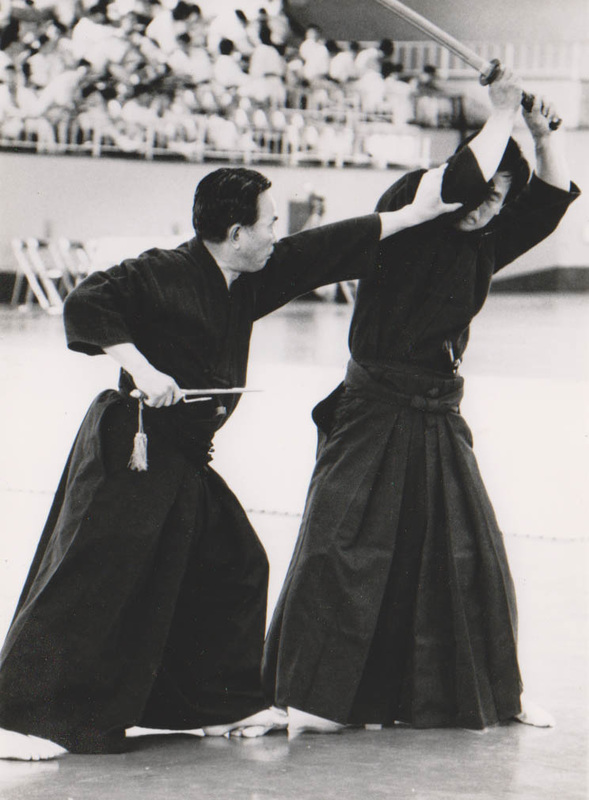
Uchida-ryū Tanjōjutsu is a system of short staff (tanjō) techniques developed in the late Edo to early Meiji period. The tanjō is a short stick, roughly 90 cm (about 3 feet) long — similar in size to a Western walking cane
Key technical characteristics:
One-handed thrusts and strikes
Wrist manipulation and control
Angling off the line of attack
Striking hands, forearms, and face
Short, efficient footwork
Ikkaku-ryū Juttejutsu
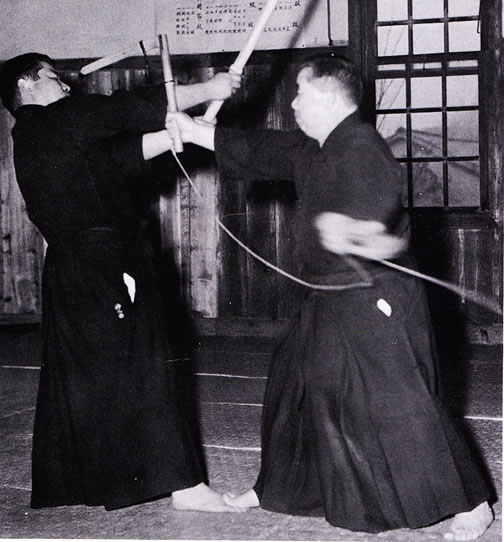
A classical arresting art using the jutte, an iron truncheon historically carried by samurai police. Emphasizing control, restraint, and disarming rather than lethal force, Ikkaku-ryū teaches calm, precise responses to armed threats.
Isshin-ryū Kusarigamajutsu
A highly specialized classical art using the kusarigama (chain and sickle). Techniques emphasize distance control, entanglement, and precise timing against a sword-wielding opponent. Due to its complexity and risk, Isshin-ryū kusarigama is typically taught at advanced levels within SMR.
Ittatsu-ryū Hōjōjutsu
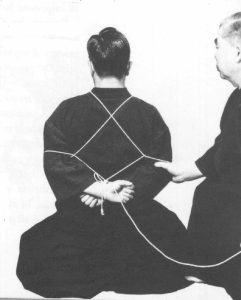
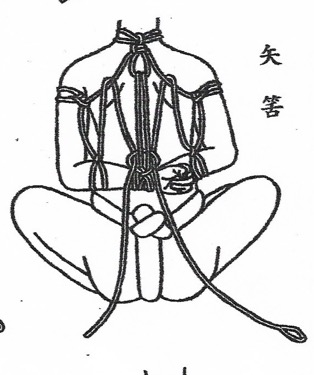
A classical Japanese rope-tying and prisoner-restraint art, preserved as one of the associated traditions within Shindō Musō-ryū (SMR). It represents the final step in the Edo-period law-enforcement curriculum, addressing what happens after a suspect has been subdued.
Koryu Curriculum
Koryru (Classical Budo) training should not be confused with modern Budo (Karate, Judo, Aikido, etc.) Koryu training is a narrow path that emphasizes context, continuity, tradition and dicourages innovation.
Progress is not measured by belt ranks or promotions. Jodo is not easy and not for everyone. Learning is organized around Kata which are encoded lessons intended to teach timing, distance and intent.
Learning a Koryu is less a hobby and more similar to a craft or apprenticeship. It demands commitment as progress is sometimes invisible.